24/7 emergency service available995 Forest St, Reno, NV 89509
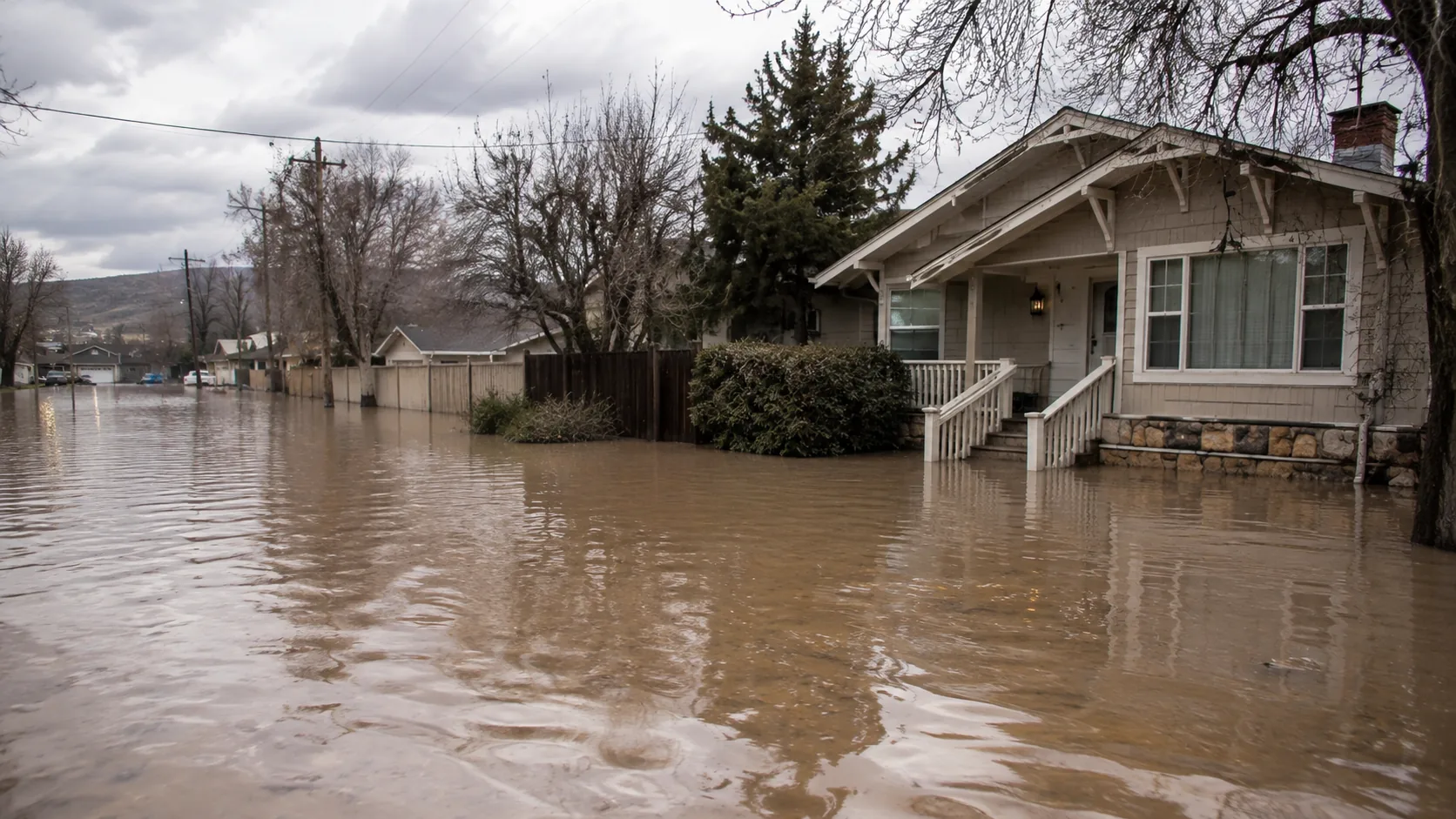
Rising muddy water surrounding the entrance and lower walls of a house

RENO, NEVADA · WATER DAMAGE

Flood Damage Restoration
in Reno, NV

Rising water from outside can carry soil and contamination into lower rooms. Reno StormGuard assesses the floodwater route, the materials it touched and the moisture left behind so removal, cleaning and drying address more than the water level visible on the wall.

  • Outdoor floodwater assessed
  • Mud and affected materials addressed
  • Drying follows cleanup
Call about flood damage restoration{{PHONE_DISPLAY}}

24/7 emergency service available

WHAT THE SERVICE COVERS

Restoration After Outdoor Water Reaches the Interior

Floodwater enters from outside at a door, a low opening or another route near the ground. It may leave silt on the floor and a mark along the wall, but the affected area is not limited to those visible deposits. Porous materials can absorb the water, and debris can remain behind cabinetry or inside lower wall construction.

Our assessment considers the source and the materials the water reached. Removal of collected water is followed by decisions about contamination, affected porous layers, cleaning and drying. A surface that has been pumped clear is not ready to be enclosed simply because it no longer looks flooded. The cleanup approach must account for what was carried into the home.

Outdoor flooding is different from rain dripping through an opening in the roof. Both can follow the same storm, but they create different handling questions. Tell us if the water rose across the yard, came through a doorway or appeared as seepage at a lower wall. These observations help distinguish the flood route from a separate roof or plumbing leak.

Truckee River, Steamboat Creek and Rain-on-Snow Runoff

Truckee River and Steamboat Creek overflow are part of Reno’s flood context, alongside local runoff and spring snowmelt. Rain falling onto snow can add new water while releasing stored meltwater. The particular entry route at a house still matters: nearby water does not establish which interior materials were reached. The assessment follows the evidence at the property.

In valley locations around Sun Valley and Lemmon Valley, note where water collected outside and how it moved toward the home. Saturated ground or runoff can reach lower openings without an obvious broken building component. Once the room is accessible for assessment, floor edges, wall bases and concealed pockets need checking along that reported path.

Floodwater can contain sewage, chemicals or debris that are not apparent from its color. Treat it as potentially contaminated and keep out of it rather than trying to judge cleanliness by sight. The materials it touched and the current access conditions guide the cleanup plan. A faint water line does not reduce the need to assess the lower assembly.

Floodwater Enters Low and Can Soak Above Its Visible Line

Schematic illustration
Floodwater Enters Low and Can Soak Above Its Visible LineOutdoor water crosses a lower opening and contacts flooring and wall bases. Absorbed moisture can extend beyond the deposited water line, which is only one clue in the assessment.Rising outdoor waterLower openingAbsorption at wall baseSoil and contaminants may enter with the waterCheck beyond the visible water line
Outdoor water crosses a lower opening and contacts flooring and wall bases. Absorbed moisture can extend beyond the deposited water line, which is only one clue in the assessment.
Scroll across the schematic on smaller screens

HOW THE WORK IS CARRIED OUT

Our Flood Damage Restoration Process in Reno, NV

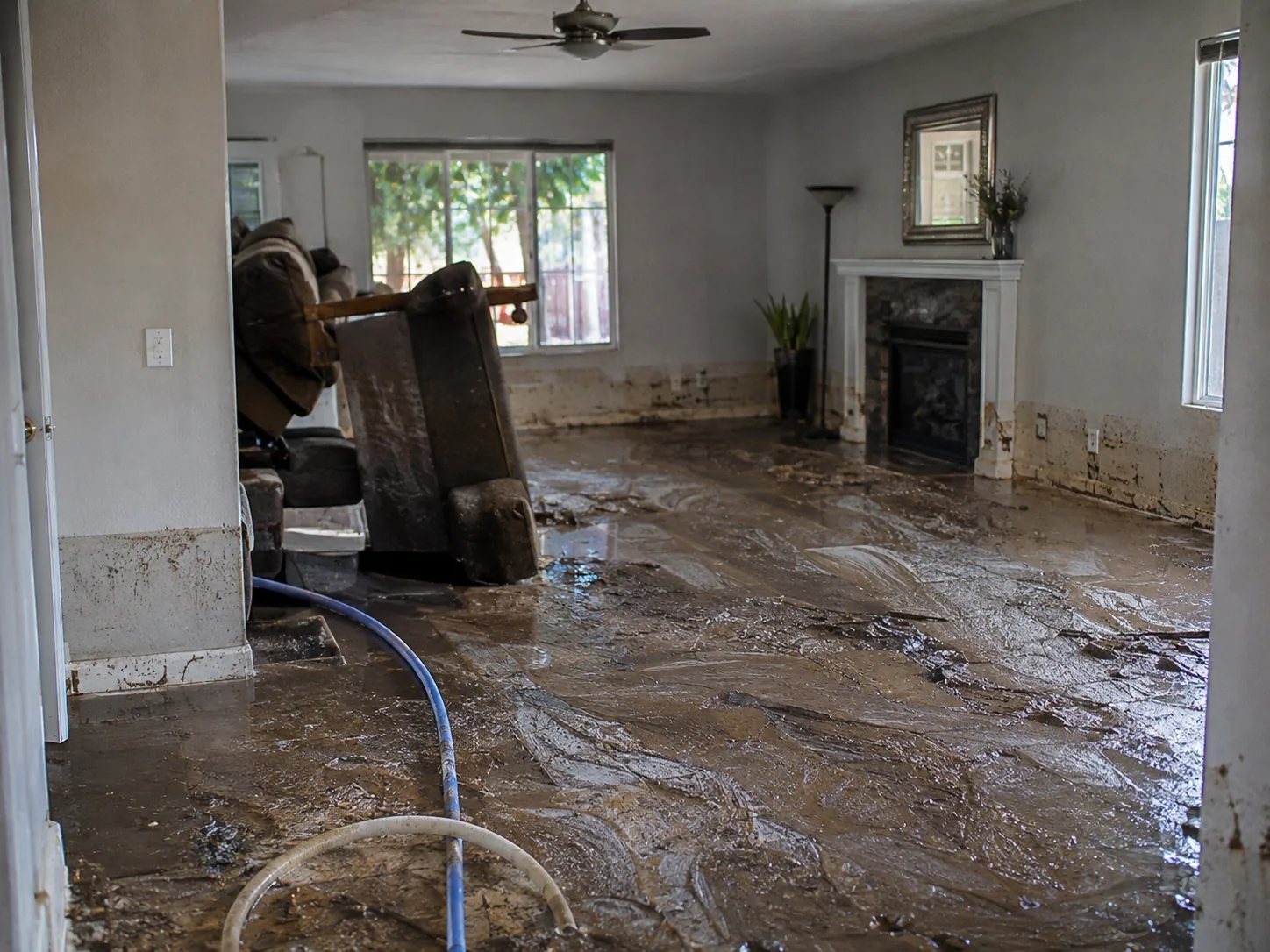
Mud and a visible water line along the lower walls of a flooded family room

Assess access, water source and contamination

The first assessment establishes the flood entry, affected rooms and conditions that make access unsafe. Standing water near electrical equipment and possible contamination are addressed before cleanup movement through the home. We consider where water has receded as well as where it remains. Deposits and observed water marks help identify materials for assessment, without treating the mark as a complete map of absorbed moisture.

Remove water, deposits and unsuitable porous materials

Collected water and accessible mud are addressed using a plan for the affected area. Porous finishes and insulation contacted by floodwater are assessed for removal rather than assumed suitable for drying in place. Work is arranged to limit carrying contamination into dry rooms. Cleaning of retained surfaces follows the findings and the condition of the assembly beneath the visible deposit.

Dry retained construction and check lower cavities

Drying is planned after the contamination and material decisions, not as a substitute for them. Remaining framing and floor assemblies are checked through documented readings and comparison with suitable dry material. Particular attention is given to lower wall and cabinet areas that can hold water after the open floor clears. Final checks guide when those areas can be covered again.

What to Do Before We Arrive

Flood conditions can make a home unsafe before any cleanup decision is possible. Follow local access and evacuation instructions, and describe the property from outside the affected area when necessary.

Read the CDC floodwater safety guidance before approaching a flooded area.

  • Stay out of floodwater around and inside the home. It can hide electrical hazards, sharp debris and contamination that cannot be judged by appearance.
  • Do not enter water to reach a breaker, appliance or shutoff. Electrical isolation should be handled without requiring someone to cross a flooded room.
  • Keep children, pets and clean belongings away from the route used by outdoor water, including rooms where standing water has already receded.
  • Do not carry soaked porous items through dry living areas before they are assessed. Muddy surfaces can transfer contamination beyond the flooded room.
  • Photograph the route and visible water marks only from a stable, safe location. Note outside runoff and which lower openings appeared affected.

Questions About Flood Damage Restoration in Reno

Call {{PHONE_DISPLAY}}

Can floodwater be treated like water from a broken supply pipe?

No. Outdoor water may carry soil, sewage, chemicals or other contamination before it reaches the room. That changes the handling of porous materials and the cleaning required before drying. Even a clear-looking flood entry needs assessment. A supply pipe loss can also become contaminated, but the source and contact history must be considered rather than assuming the same cleanup suits both.

Why can moisture extend above the visible flood line?

Porous wall materials can absorb water beyond the level where a deposit was left. A water line also does not reveal what remains behind trim or within insulation. We use that mark as part of the history and assess the adjoining material. It helps locate the affected area without becoming the sole limit for removal or drying checks.

Does pumping the room out complete the flood cleanup?

Pumping removes collected water but leaves decisions about mud, contamination and absorbed moisture. A cleared floor can sit beside insulation or wallboard that should not remain after flood contact. Retained materials may still need cleaning and controlled drying. Those stages address different conditions, so the absence of standing water is not the final test of the room’s condition.

What should I explain if water entered through more than one route?

Describe each route separately, such as runoff through a doorway and rain leaking at a window. Note where the water was first seen and which areas connected as it spread. A home may have flood contact in a lower room and a different water source upstairs. Those locations should be assessed on their own conditions rather than assigned one cleanup approach because the same storm was involved.

24/7 emergency service available

Call About Flood Damage Restoration in Reno, NV

Call with the outdoor entry route and rooms reached by floodwater, and mention standing water, mud or electrical concerns before anyone enters the area.

Call Reno StormGuard{{PHONE_DISPLAY}}
Call {{PHONE_DISPLAY}}