24/7 emergency service available995 Forest St, Reno, NV 89509
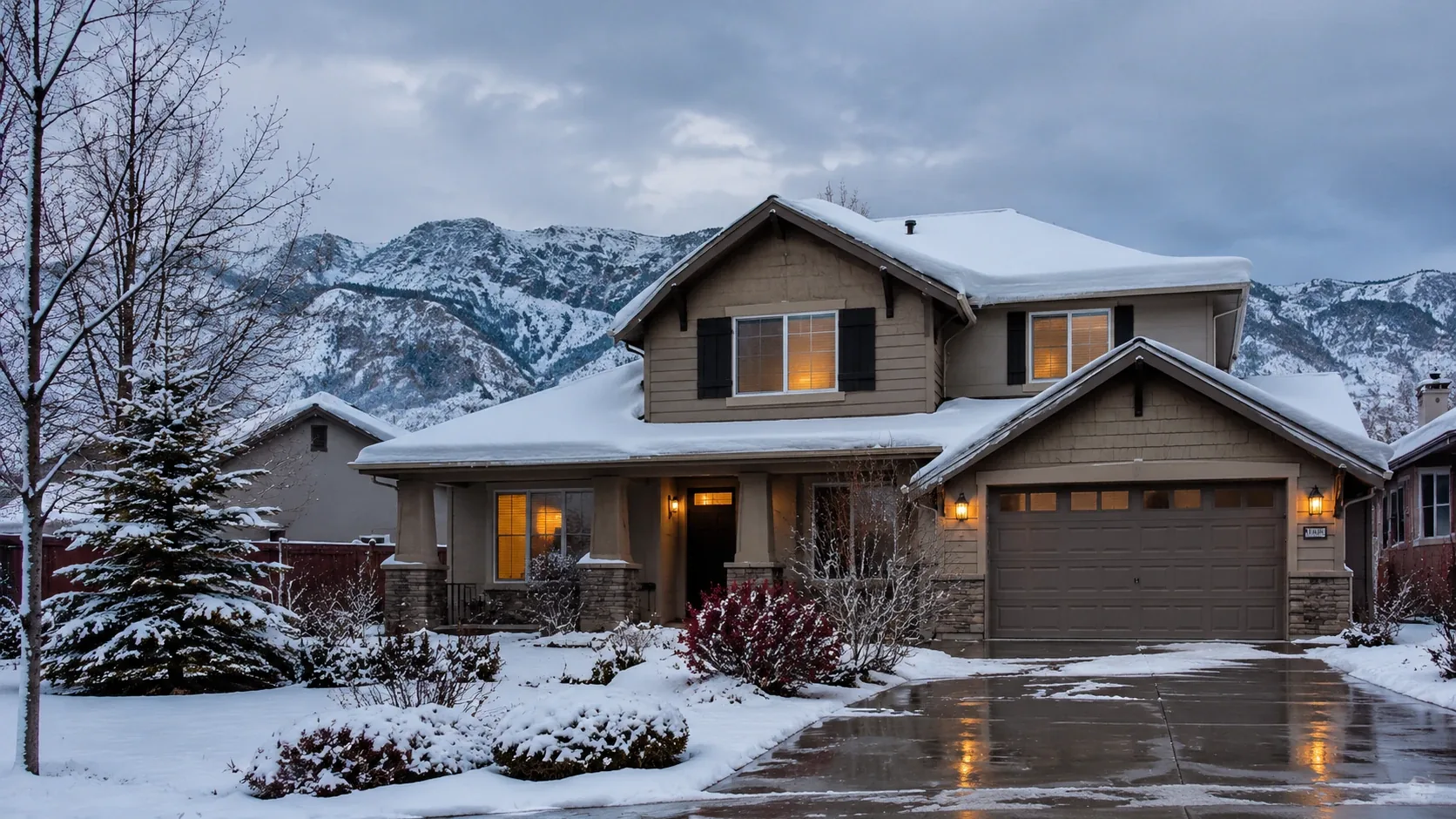
Snow-covered Reno house with a pitched roof and mountain backdrop

RENO, NEVADA · WATER DAMAGE & MOLD

Water Damage
Restoration
in Reno, NV

Reno StormGuard provides water extraction, structural drying and moisture checks for homes in Reno, NV.

  • Local Reno office
  • Documented moisture checks
  • Water and mold services
Call for water damage help{{PHONE_DISPLAY}}

24/7 emergency service available

We handle water damage
and mold in Reno homes.
RENO, NV
Explore our services

FIND THE RIGHT SERVICE

Water damage and mold services,
matched to the source

Burst pipes, roof openings and outdoor floods reach different materials and carry different contamination risks. Their source determines what needs extraction, cleaning or removal. Choose the condition you can see below.

View all services

BUILT AROUND RENO WEATHER

What causes water damage
in Reno homes?

Most Reno precipitation falls from November through March. Freezing nights, snow and rain-on-snow events concentrate exposure during winter despite the dry climate. Exposed pipes and small roof openings can cause indoor damage without prolonged rain. Summer storms bring shorter bursts of rain and hail.

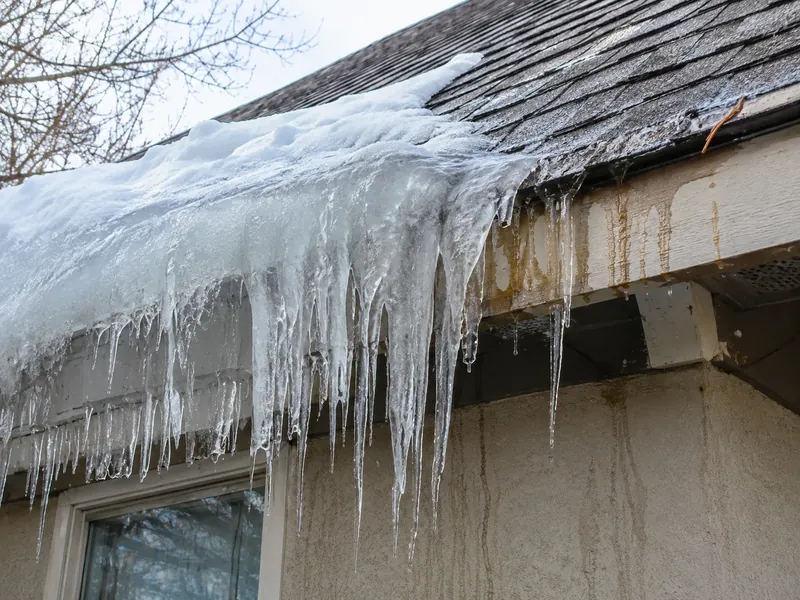
Ice built up along snow-covered roof eaves with long icicles
HOW WATER REACHES THE INSIDE
Four water entry paths through a houseRoof and eaves, a window opening, a plumbing pipe and ground-level water can each carry moisture into building materials.Roof & eavesWindowsPipesGround
Water can travel beyond the first visible stain.

Reno monthly precipitation

Illustrative monthly figures · inches

7.35 inchesNOAA annual average
Most of Reno’s yearly precipitation falls from November through March.

Monthly bars use supplied illustrative figures, not an exact reproduction of station normals.

Annual normal and climate context: NOAA 1991–2020 Climate Normals, Reno-Tahoe International Airport.

Illustrative monthly precipitation, inches
MonthPrecipitation
Jan1.3
Feb1.1
Mar0.7
Apr0.5
May0.6
Jun0.3
Jul0.3
Aug0.2
Sep0.1
Oct0.6
Nov0.6
Dec0.9

Seasonal water damage calendar

Shading marks typical seasons.

Typical seasonal patterns in Reno, not a forecast or a record of damage claims
Water sourceJanFebMarAprMayJunJulAugSepOctNovDec
Frozen pipesTypical seasonTypical seasonTypical seasonOutside highlighted seasonOutside highlighted seasonOutside highlighted seasonOutside highlighted seasonOutside highlighted seasonOutside highlighted seasonOutside highlighted seasonTypical seasonTypical season
Ice damsTypical seasonTypical seasonOutside highlighted seasonOutside highlighted seasonOutside highlighted seasonOutside highlighted seasonOutside highlighted seasonOutside highlighted seasonOutside highlighted seasonOutside highlighted seasonOutside highlighted seasonTypical season
Snowmelt seepageOutside highlighted seasonOutside highlighted seasonTypical seasonTypical seasonTypical seasonOutside highlighted seasonOutside highlighted seasonOutside highlighted seasonOutside highlighted seasonOutside highlighted seasonOutside highlighted seasonOutside highlighted season
Rain-on-snow runoffTypical seasonTypical seasonOutside highlighted seasonOutside highlighted seasonOutside highlighted seasonOutside highlighted seasonOutside highlighted seasonOutside highlighted seasonOutside highlighted seasonOutside highlighted seasonOutside highlighted seasonTypical season
Thunderstorms and hailOutside highlighted seasonOutside highlighted seasonOutside highlighted seasonOutside highlighted seasonOutside highlighted seasonTypical seasonTypical seasonTypical seasonTypical seasonOutside highlighted seasonOutside highlighted seasonOutside highlighted season
General seasonal pattern for Reno homes based on the local climate.

Source: supplied seasonal pattern; local climate context. Conditions can occur outside shaded months.

Where is the water coming from?

From above: ceiling or attic
Inside a wall or under a sink
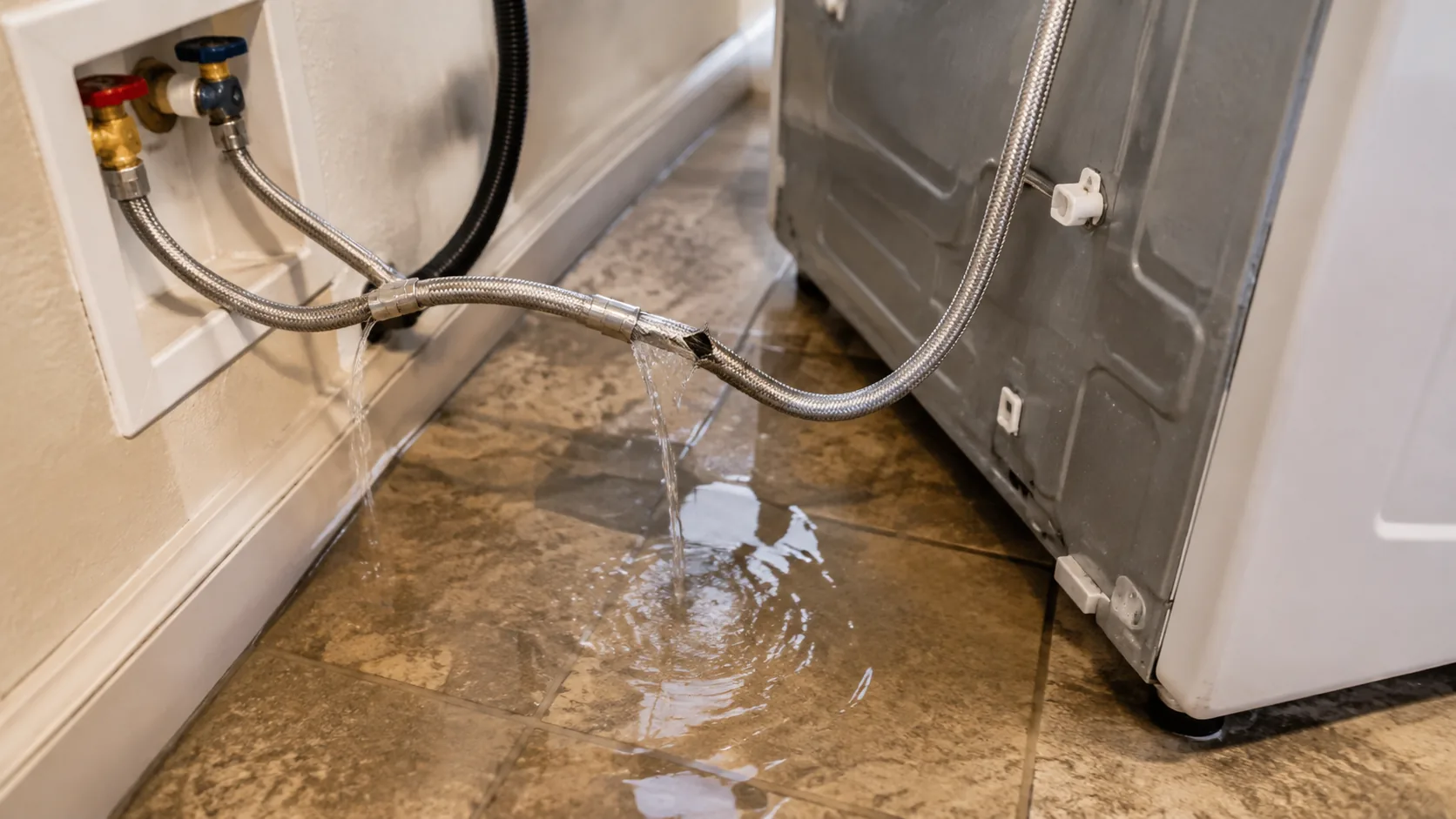
An appliance
Rising from outside or the ground
A drain or toilet backing up
Match the visible source to a service; hidden moisture needs assessment.

Our Water Damage Restoration
Process in Reno, NV

Each stage addresses a part of the damage. Water conditions and affected materials determine the approach.

Extract the water

We identify the source, check safe access and assess what the water touched. Extraction equipment removes standing water from floors and absorbent materials. Carpet pad can remain soaked beneath a clear surface, while contaminated porous materials may need removal before drying.

Dry the structure

Air movers release moisture from surfaces, and dehumidifiers collect it from the air. We document readings in wall bases, framing and subfloors at each visit. Reno’s dry outdoor climate does not prove enclosed materials are dry, so equipment follows those measurements.

Restore the affected area

Materials are checked for condition and moisture before the area is closed. Drying cannot repair crumbled drywall or contaminated insulation. We explain what can stay and compare affected materials with an unaffected dry reference before the work moves toward reconstruction.

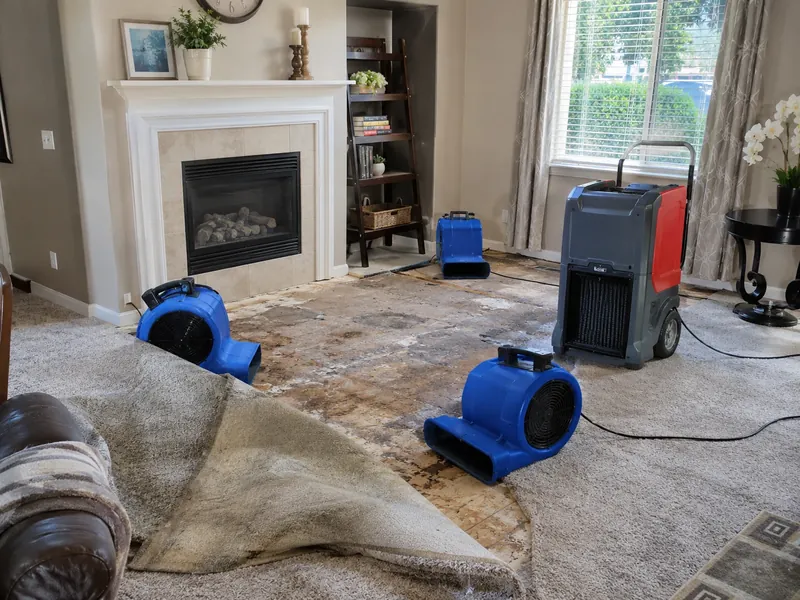
Air movers and a dehumidifier set around exposed flooring in a living room
WHY THE EQUIPMENT WORKS TOGETHER

Air movers and dehumidifiers perform different jobs

Air movers carry moisture from wet surfaces into the air, where dehumidifiers remove it. Placement must account for the affected materials and enclosed spaces. A household fan cannot establish that a wall cavity is dry; material readings determine when equipment can be adjusted or removed.

How structural drying works

Why wet materials need attention early

  1. Water appears

    Identify the source and keep clear of unsafe areas.

  2. First hours

    Stop the source and remove standing water when safe.

  3. 24–48 hours

    Wet materials should be dried to help prevent mold growth.

  4. After 48 hours

    Mold risk rises in materials that stay wet.

Prevention guidance, not a promised project completion time.

Based on U.S. EPA guidance: A Brief Guide to Mold, Moisture and Your Home.

The water category changes the cleanup

Water is assessed by its source and what it contacted. These categories explain why cleanup may involve cleaning or controlled removal before drying.

Category two

Gray water

Examples
Washing machine drain, dishwasher discharge.
Handling
Extraction, cleaning of affected surfaces, drying.
Category three

Black water

Examples
Sewage backup, floodwater from outside.
Handling
Containment, removal of porous materials it touched, cleaning, drying.
Categories follow the IICRC S500 water damage standard. Clean water can become a higher category if it sits or picks up contaminants.

Standard reference: IICRC S500.

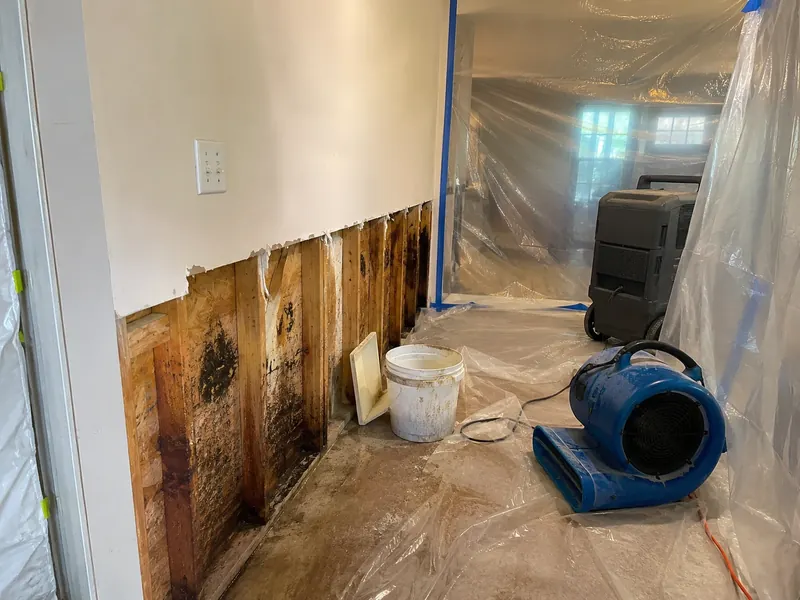
Opened drywall showing dark mold growth on wall framing beside drying equipment

Mold can grow where
water damage stays hidden

Water can soak insulation and wood behind an intact painted surface. Dry room air may leave those enclosed spaces damp, particularly where insulation limits circulation. Musty smells, returning stains or visible growth warrant investigation. EPA guidance recommends drying wet materials within 24–48 hours to help prevent mold, but that does not mean every affected assembly can be saved within that period.

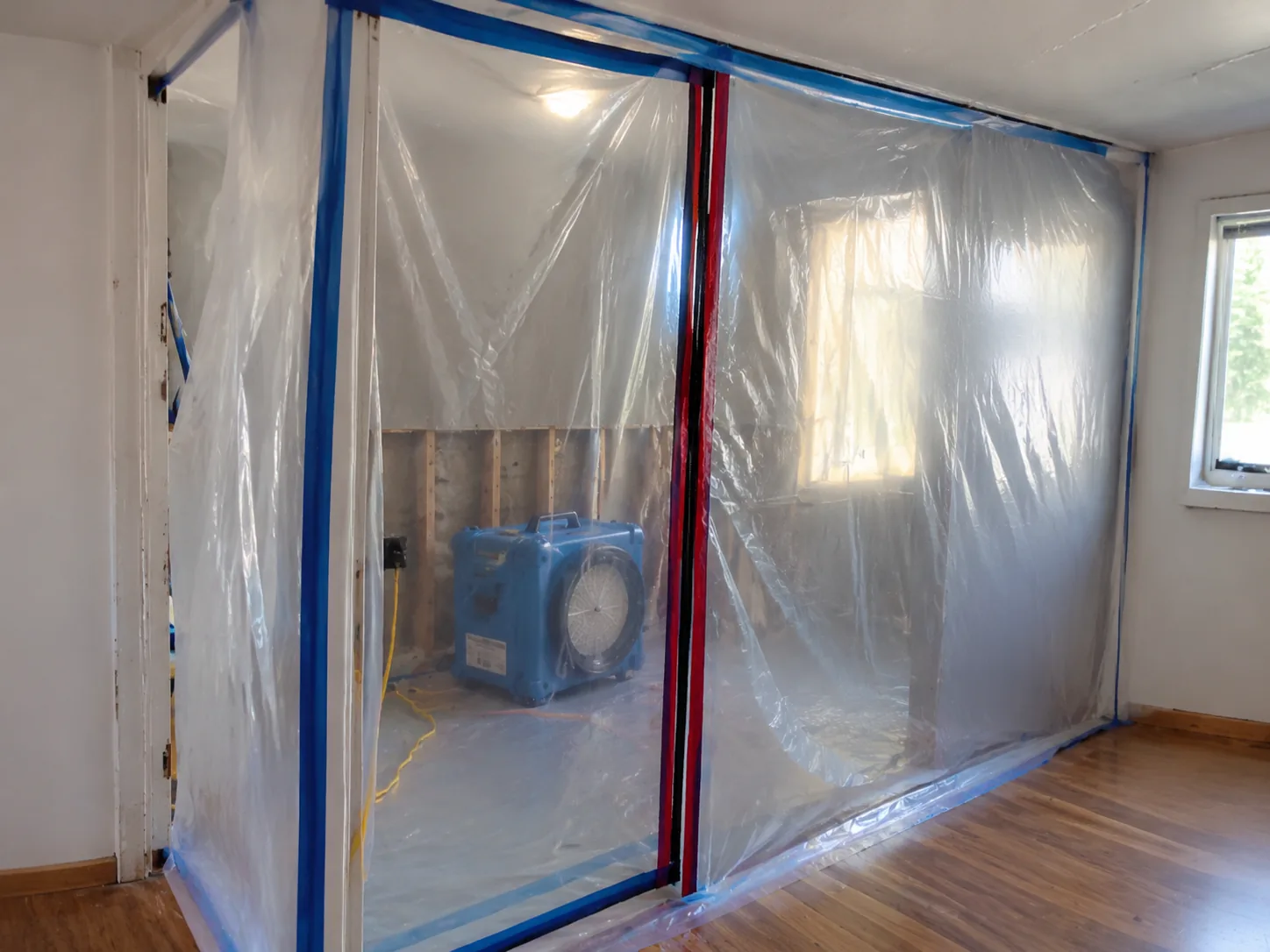
Reno StormGuard considers water damage and mold as connected moisture problems. An assessment follows the water’s route before containment, material removal or HEPA filtration is planned. The source also needs correction: winter condensation or a roof leak in an attic, for example, or concealed plumbing behind a bathroom wall. Paint and surface cleaning cannot establish that the framing and insulation behind them are dry.

THE DETAILS THAT MATTER

Why homeowners
call Reno StormGuard

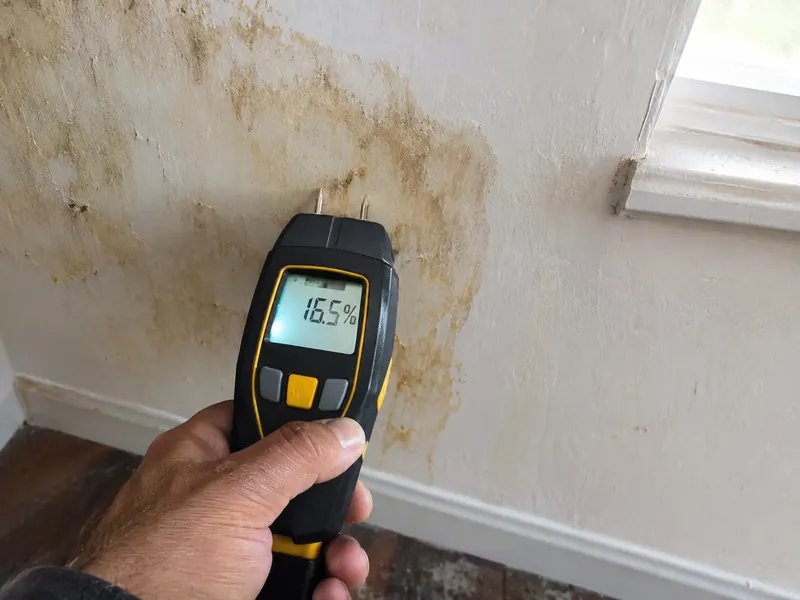
A moisture meter held against stained drywall to check for remaining water

Compare wet drywall with a dry reference

Drying ends when the wet material reads close to the same material in a dry part of the house.

Schematic only; bar heights and visits do not represent a measured job. Readings continue until they match the reference.

  1. A local office in Reno

    Our office is at 995 Forest St, Reno, NV 89509. Each home needs its own assessment. We ask about the source, affected rooms and access conditions before discussing the work.

  2. Water damage and mold in one place

    Water behind a wall can become a mold concern after a puddle disappears. Our services consider those conditions together. Wet materials, contained removal and the source belong in the same plan.

  3. Moisture readings at every visit

    Moisture may fall while a room looks unchanged. Documented readings at every visit allow comparisons with earlier measurements. They identify materials that remain wet and help guide changes to equipment placement.

  4. Drying follows the measurements

    Equipment is checked until materials reach normal moisture levels. An unaffected, comparable material provides the dry reference. This establishes a target for that material in the house, rather than a universal number.

  5. An explanation before work starts

    We explain affected areas, the approach and materials needing removal before work starts. You should know why openings, barriers or equipment are proposed. Newly exposed conditions may change the plan.

Water damage help
across Reno neighborhoods

Old Southwest Reno and Midtown include older homes where original plumbing and crawlspaces can conceal leaks. In newer two-story homes in South Reno, Damonte Ranch and Somersett, upstairs laundry can send water into the ceiling below. The visible wet room may be only part of the damage.

Hillside homes in Caughlin Ranch and Northwest Reno need checks along runoff routes. Around valley homes in Sun Valley and Lemmon Valley, note where water collects after snowmelt or rain. These are conditions to investigate, not assumptions about each property. We serve Reno, NV; describe the source and affected rooms when calling.

  • Old Southwest Reno
  • Midtown
  • South Reno
  • Damonte Ranch
  • Northwest Reno
  • Somersett
  • Caughlin Ranch
  • Sun Valley
  • Lemmon Valley
Contact the Reno office
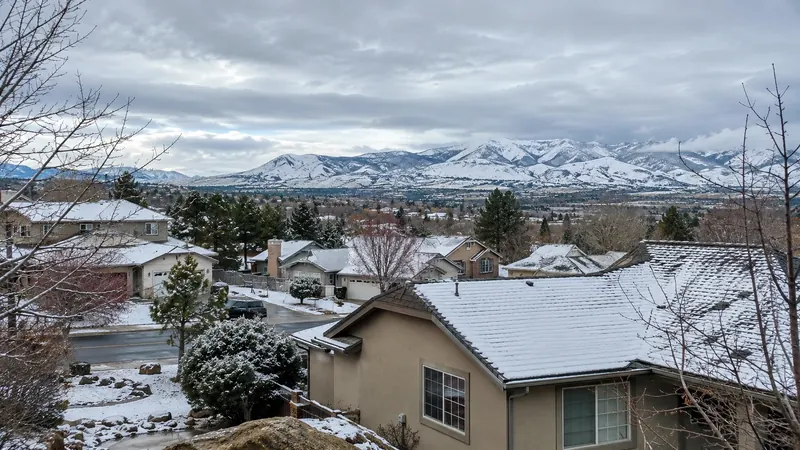
Snow-covered Reno neighborhood with the mountains in the distance
THE RENO OFFICE995 Forest StReno, NV 89509Open directions

Answers to common
water damage questions

Call to discuss your home.

Call {{PHONE_DISPLAY}}

What should I do first when I find water damage?

Keep people away from standing water, wet electrical equipment and sagging ceilings. Close the water supply only if the valve can be reached from a dry, safe position; do not cross water to reach a breaker. From a safe area, note where the water started and which rooms are affected. Call with those details and avoid disturbing materials that may be contaminated.

How long does a home take to dry?

Drying often takes several days, but the duration depends on the material, how deeply it became wet and whether water is trapped inside an assembly. A dry-feeling room may have damp framing or subflooring. We compare moisture readings with suitable dry materials and adjust equipment as conditions change. The EPA’s early drying guidance is a prevention target, not a completion guarantee.

Can mold grow after water damage?

Mold can grow when moisture stays in drywall, wood, insulation or other materials after a leak. EPA guidance recommends drying wet areas and items within 24–48 hours to help prevent growth. That is a reason to address trapped water early, rather than wait for visible spots. Recurring stains or a musty smell should prompt a moisture investigation despite a dry surface.

How can I reduce the risk of frozen pipes in Reno?

Disconnect outdoor hoses, protect exposed plumbing and keep the home heated while traveling. Check pipes in garages, crawlspaces and exterior walls because those spaces can cool faster than living areas. Know how to reach the main shutoff before freezing weather. If a pipe stops flowing, avoid open flames and watch for leaking as it thaws; a frozen section may be split.

What equipment is used for water damage restoration?

Extraction equipment removes water from floors and absorbent materials. Air movers help moisture leave wet surfaces, while dehumidifiers collect it from the air. Moisture meters check materials to adjust equipment using readings rather than appearance. The equipment and any containment depend on the water source, contamination and access to wet areas, including cavities that cannot be dried from the room alone.

Do you handle water damage after storms?

Reno StormGuard handles interior water damage following wind-driven rain, hail-related openings, roof leaks and rising outdoor water. Tell us how the water entered and whether the building still has an exposed opening. Stormwater entering through roofing requires a different assessment from floodwater carrying soil into a lower room. The entry point must be addressed alongside cleanup so the affected space does not keep becoming wet.

24/7 emergency service available

Call for water damage help
in Reno, NV

Call with the water source, affected rooms and any safety concerns so we can explain the extraction and drying work your home may need.

Call Reno StormGuard{{PHONE_DISPLAY}}
Call {{PHONE_DISPLAY}}